
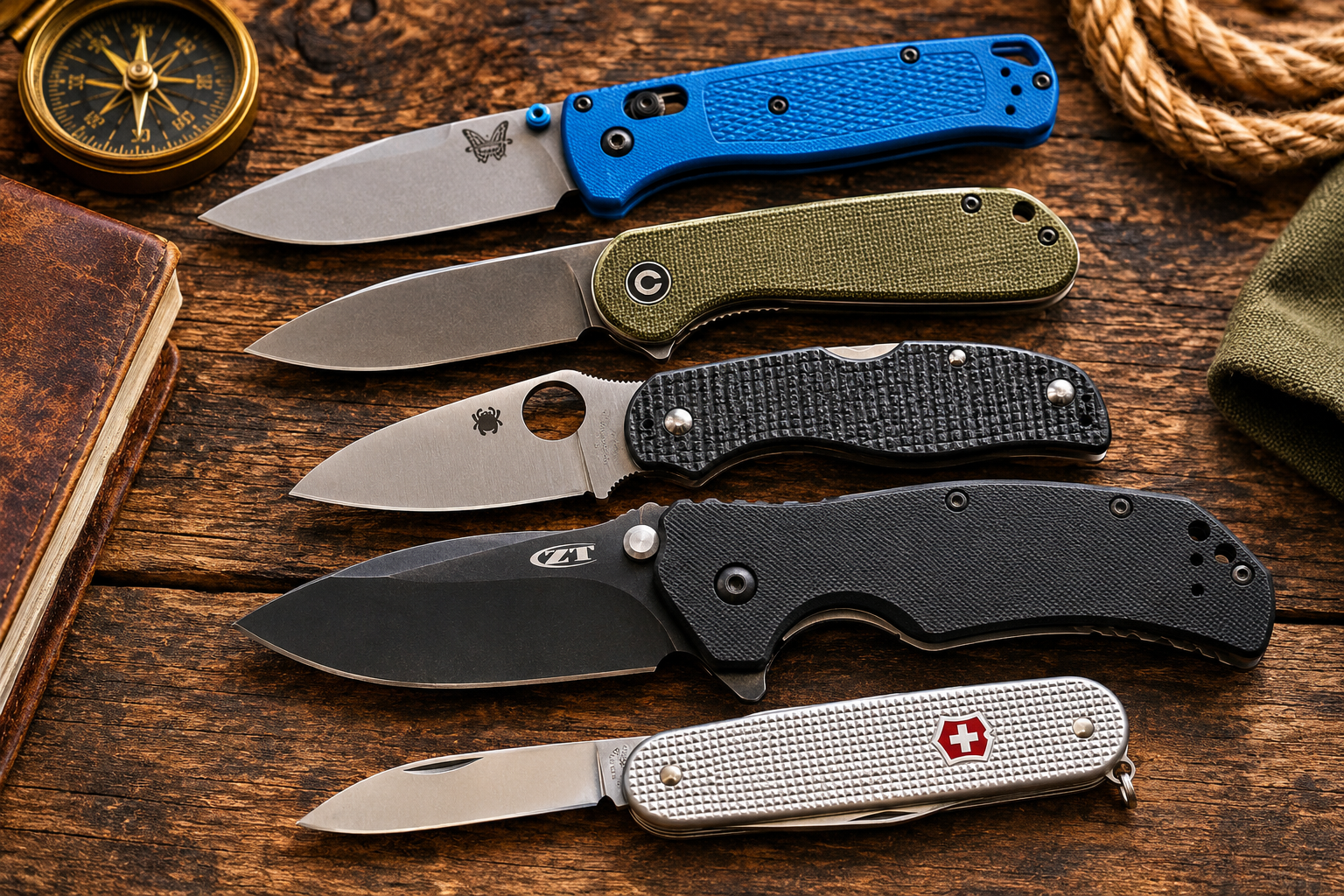
A good knife doesn’t have to be large, expensive, or complicated to be useful. Whether you’re opening packages, cutting twine, preparing food on a picnic, or tackling everyday chores, a well-chosen pocketknife can become one of your most frequently used tools.
But with hundreds of models available, how do you choose one that fits your needs?
In this guide, we’ll explore what makes a great everyday carry (EDC) knife, examine five distinctive options, and help you decide which features matter most.
What Is an Everyday Carry Knife?
Everyday carry, commonly abbreviated EDC, refers to the useful items a person regularly keeps close at hand.
An EDC knife is generally compact enough to carry comfortably and practical enough to handle ordinary cutting tasks. Unlike a specialized hunting or kitchen knife, it is designed for convenience and versatility.
The best EDC knife isn’t necessarily the most expensive or the one with the longest blade. It’s the one that suits your daily activities, feels comfortable in your hand, and can be used safely.
What Makes a Great EDC Knife?
Before choosing a knife, consider six important characteristics.
1. Blade Steel
Different steels offer different combinations of edge retention, corrosion resistance, toughness, and ease of sharpening.
Premium steels such as CPM-S30V, S35VN, and M390 are popular for their performance, but affordable steels can also serve everyday users exceptionally well.
A steel that is easier to sharpen may be more practical for some owners than one designed for maximum edge retention.
2. Blade Shape
The shape of the blade influences how it cuts.
- Drop point: A versatile design suitable for many everyday tasks.
- Clip point: Features a relatively fine tip useful for precise cutting.
- Sheepsfoot: Offers a straighter cutting edge and a less pointed tip.
For most general-purpose tasks, a drop-point blade is an excellent starting point.
3. Size and Weight
A knife that’s too heavy or bulky may end up staying at home.
Lightweight knives are especially appealing for people who carry them in a pocket throughout the day. Larger models may offer a more substantial grip, but comfort and convenience matter just as much as strength.
4. Locking Mechanism
Many folding knives have a mechanism that holds the blade open during use.
Common designs include liner locks, frame locks, and crossbar-style locks. Each has advantages and limitations.
Other folding knives, including traditional slipjoints, do not lock. They rely on spring tension to resist accidental closure and require particular care during use.
No folding mechanism makes careless handling safe.
5. Ease of Opening
Thumb studs, opening holes, and flipper tabs can make a folding knife convenient to open.
However, one-handed opening isn’t essential for everyone. Some users prefer the simplicity of a traditional two-handed design.
6. Comfort and Carry Options
Handle shape, texture, pocket clips, and overall balance influence how a knife feels during use.
A comfortable handle is especially important if you’ll be cutting repeatedly or working with gloves.
Five Everyday Carry Knives Worth Considering in 2026
These five models represent different approaches to everyday carry. Rather than assuming one knife is ideal for everyone, we’ll look at where each design excels—and where it makes compromises.
EDC Knife Comparison Table
| Knife | Blade Length | Weight | Blade Steel | Best For |
|---|---|---|---|---|
| Benchmade Bugout 535 | 3.24 in | 1.85 oz | CPM-S30V | Lightweight carry |
| CIVIVI Elementum C907A | 2.96 in | 2.89 oz | D2 | Budget-conscious buyers |
| Spyderco Chaparral | 2.80 in | Varies by version | CTS-XHP | Compact, refined carry |
| Zero Tolerance 0350 | 3.25 in | 6.2 oz | CPM-S30V | Heavy-duty folding use |
| Victorinox Cadet Alox | Approx. 2.45 in | 1.62 oz | Stainless steel | Multiple everyday tools |
Specifications refer to the indicated standard models or configurations and may vary across versions. Confirm manufacturer specifications before purchasing.
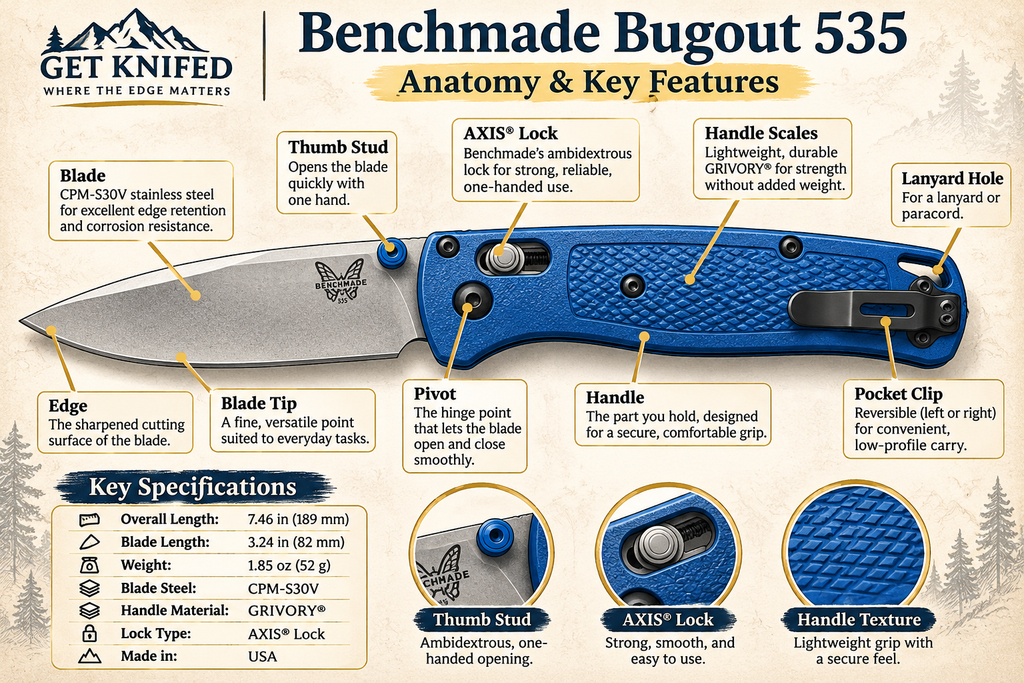
Best Lightweight EDC: Benchmade Bugout 535
The Benchmade Bugout has earned a reputation as an exceptionally lightweight, practical folding knife.
Its approximately 3.24-inch blade and 1.85-ounce weight make it appealing to people who want a capable cutting tool without carrying unnecessary bulk.
The standard model uses CPM-S30V blade steel, while other versions offer different materials and configurations.
Why consider it? Its low weight, useful blade shape, and reversible pocket clip make it an attractive everyday companion.
Potential drawback: Its lightweight construction may feel less substantial than heavier knives, and its premium pricing won’t suit every budget.
Best for: Hikers, travelers, and anyone who prioritizes low weight.
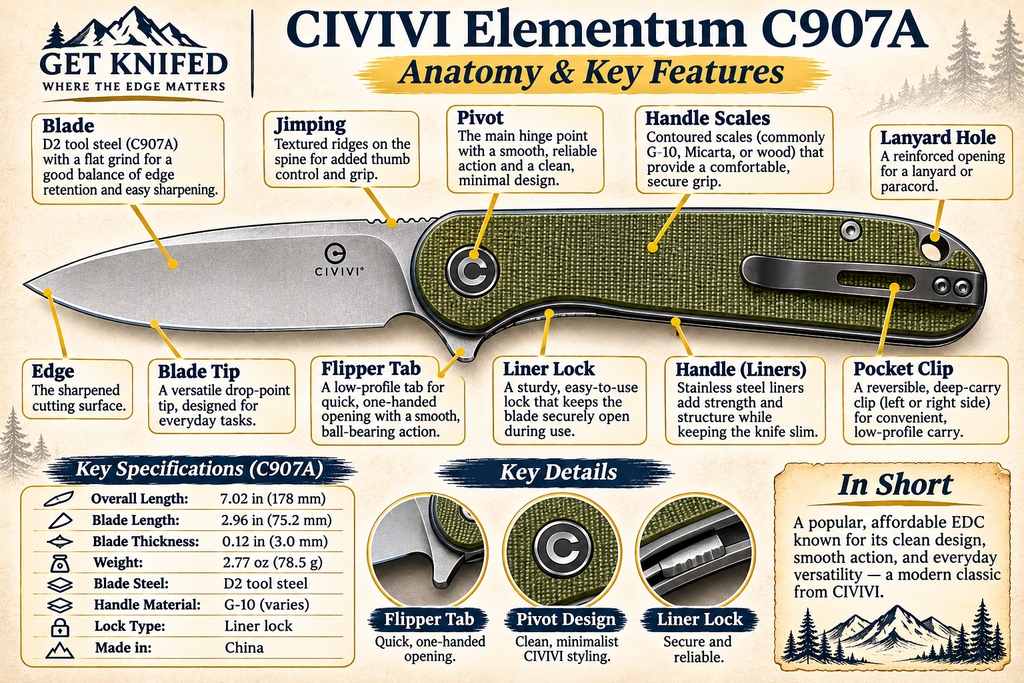
Best Budget Candidate: CIVIVI Elementum C907A
The CIVIVI Elementum demonstrates that a useful everyday knife doesn’t necessarily require a premium price.
The original C907A configuration features a 2.96-inch D2 steel blade, a liner lock, and a weight of approximately 2.89 ounces.
Known for its straightforward design, comfortable proportions, and approachable styling, the Elementum is a strong candidate for someone purchasing a first dedicated EDC knife.
Why consider it? It offers a practical design without many unnecessary complications.
Potential drawback: D2 steel requires attention to cleaning and drying because it is less corrosion-resistant than many stainless steels. The expanding Elementum family can also make choosing the right version confusing.
Best for: Beginners and budget-conscious buyers.
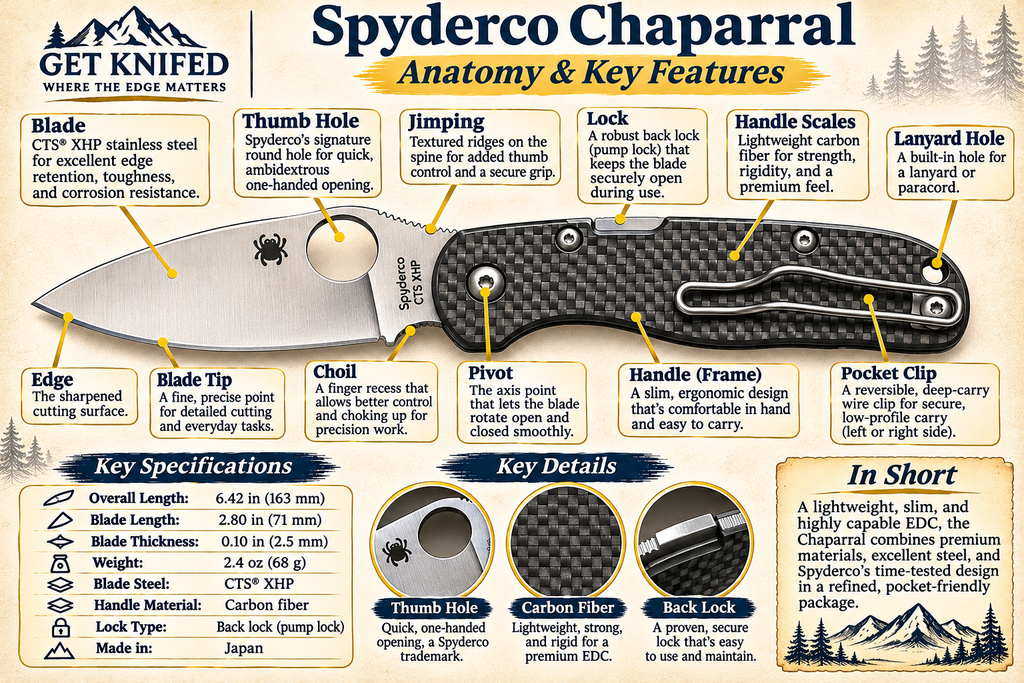
Best for Refined Everyday Carry: Spyderco Chaparral
Not everyone wants a large or aggressive-looking pocketknife.
The Spyderco Chaparral offers a compact alternative, emphasizing cutting efficiency and a slim profile.
Its approximately 2.80-inch CTS-XHP blade and distinctive Spyderco opening hole make it an interesting choice for people who appreciate thoughtful knife design.
Why consider it? Its compact dimensions and efficient blade geometry suit many ordinary cutting tasks.
Potential drawback: Its smaller handle may be less comfortable for users with large hands or those wearing heavy gloves.
Best for: People who prefer a compact, refined utility knife.
Always check workplace policies before carrying any knife into an office or other restricted environment.
Best Heavy-Duty Folding Choice: Zero Tolerance 0350
Some users prefer a folding knife with more substantial construction.
The Zero Tolerance 0350 takes a different approach from the featherweight Bugout, offering a sturdy design with a broad CPM-S30V blade and a solid grip.
Its approximately 3.25-inch blade and 6.2-ounce weight make it noticeably heavier than most of the other knives in this guide.
Why consider it? It appeals to users who value a substantial handle and robust construction.
Potential drawback: Its weight and bulk may make it less comfortable for all-day pocket carry. Its assisted-opening mechanism also warrants checking applicable local rules.
Best for: Users who prefer a heavier folding knife for demanding everyday cutting tasks.
For prying, chopping, or other tasks that impose substantial sideways forces, a properly designed fixed-blade tool may be more appropriate.
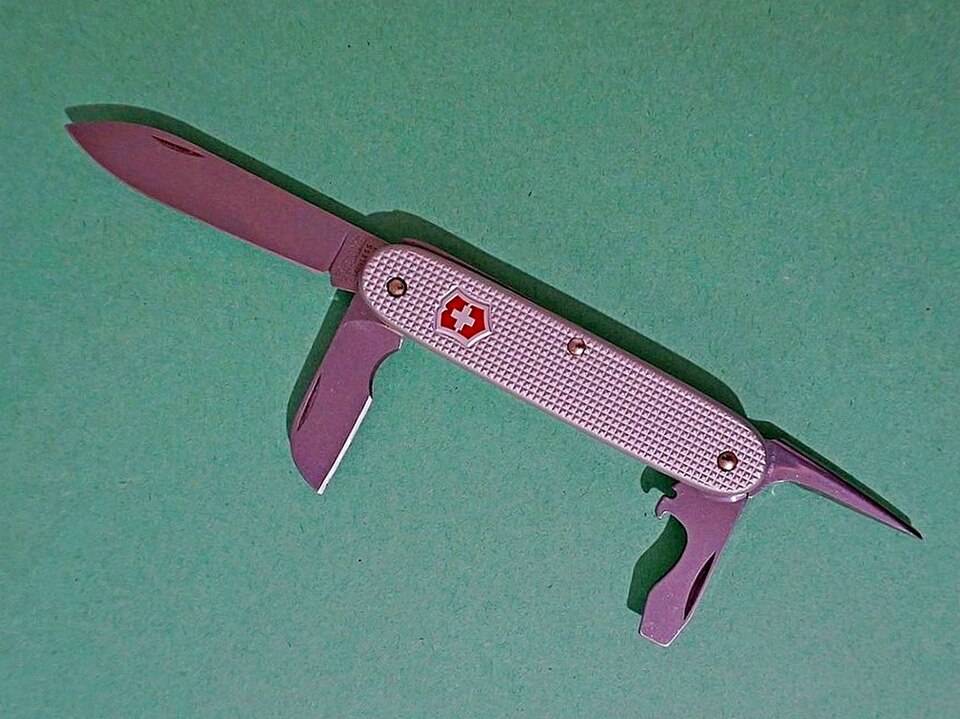
Best Multi-Function Choice: Victorinox Cadet Alox
The Victorinox Cadet Alox reminds us that everyday carry is about usefulness, not just blade performance.
Its slim aluminum-scaled design incorporates nine functions, including a small blade, screwdrivers, nail file, and bottle opener.
Weighing approximately 1.62 ounces, the Cadet offers a particularly compact alternative to larger folding knives.
Unlike the other main recommendations, the Cadet’s blade does not lock.
Why consider it? It combines several useful tools in a compact package.
Potential drawback: Its smaller, nonlocking blade is less suitable for demanding cutting tasks.
Best for: Minimalists, traditionalists, and people who appreciate having several everyday tools in one pocket.
Honorable Mentions
Three additional knives deserve consideration.
CRKT Pilar III: A distinctive compact folder with a substantial grip and practical design.
Kershaw Leek: A slim, assisted-opening folding knife with a fine tip suited to precise cutting. Check local restrictions on assisted-opening mechanisms.
Opinel No. 8: A classic French folding knife with a simple wooden handle and traditional styling. An appealing option for picnics and light everyday tasks.
How to Choose the Right EDC Knife for Your Lifestyle
Think about the tasks you’ll actually perform.
If you spend much of your day walking or traveling, a lightweight knife may be your best choice. If you regularly open boxes or cut packaging, a comfortable handle and easy-to-maintain blade may matter more than premium steel.
For occasional use, a multi-tool might be more useful than a dedicated folding knife.
Before purchasing, ask yourself:
- What will I use this knife for most often?
- How much weight am I comfortable carrying?
- Do I prefer a locking or nonlocking blade?
- Can I maintain and sharpen it?
- Does it fit my budget?
- Can I legally carry it in the places I visit?
A thoughtful answer to these questions is more useful than choosing a knife simply because it’s popular.
How to Maintain Your EDC Knife
Even an expensive knife will perform poorly if neglected.
After use, remove dirt and residue from the blade, particularly after cutting food or contacting moisture. Dry the knife thoroughly before storing it.
Follow the manufacturer’s recommendations for cleaning and lubricating the pivot mechanism.
Sharpen the blade when needed, using an appropriate sharpening system and maintaining a consistent angle. Avoid removing more steel than necessary.
Inspect the handle, pivot, and locking mechanism periodically for damage or unusual movement.
A well-maintained knife is easier to use and can provide many years of service.
Knife Laws: What You Need to Know
Knife laws vary significantly between states, cities, countries, and particular locations.
Restrictions may depend on blade length, knife type, opening mechanism, concealment, or the circumstances of carrying.
Schools, courthouses, airports, and workplaces may impose additional restrictions.
Before carrying a knife, consult current local laws and the rules governing the places you intend to visit.
Never assume that a knife is legal everywhere simply because it is sold openly.
Final Thoughts: The Best EDC Knife Is the One You’ll Use
The Benchmade Bugout, CIVIVI Elementum, Spyderco Chaparral, Zero Tolerance 0350, and Victorinox Cadet Alox demonstrate just how varied everyday carry knives can be.
Some emphasize low weight. Others favor strength, compactness, affordability, or multiple functions.
There is no single perfect knife for every person.
Choose one that fits your hand, your pocket, your budget, and your daily needs. Learn how to use and maintain it responsibly, and you’ll have a practical tool that can serve you well for years.
A good knife doesn’t need to impress everyone. It needs to work for you.
Editor’s Note: Product Photography
Get Knifed is currently seeking permission from manufacturers to reproduce official photographs of the knives featured in this guide. In the meantime, we’ve included educational illustrations, appropriately licensed photographs, and links to manufacturers’ product pages to help readers explore each knife. We’ll update this article with official product photography as permissions become available.